


When cities discover what agriculture has long known
For decades, hail protection systems have safeguarded high-value crops against severe storms. Today, for the first time, that same technology has been applied in an urban environment.
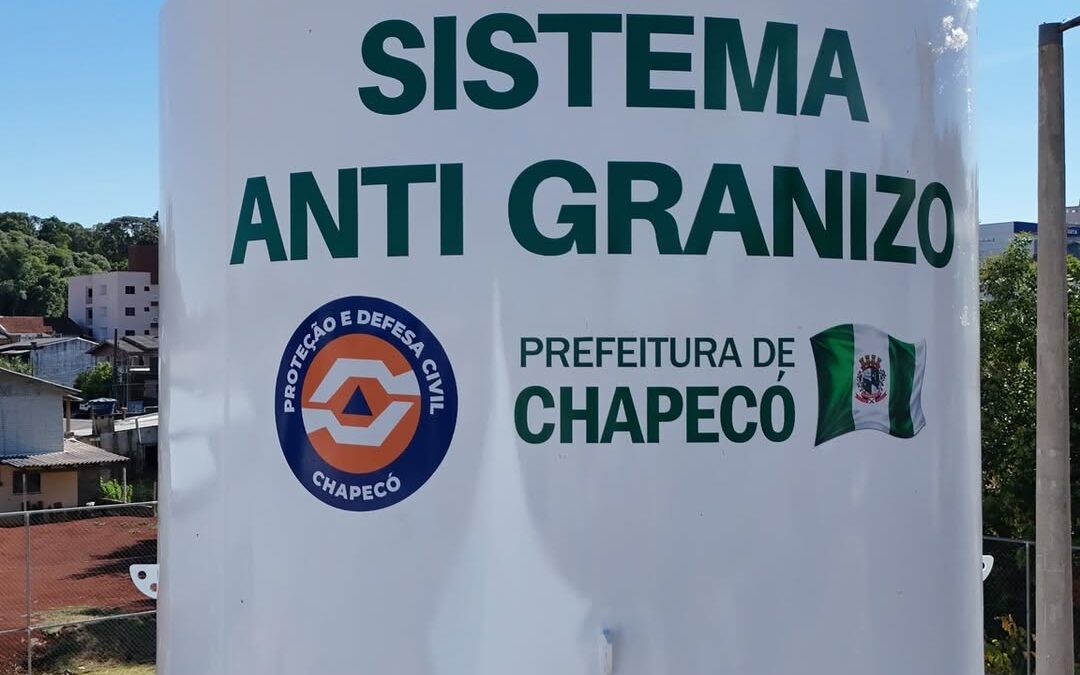
The case of Chapecó (Brazil), where a hail protection system was activated to protect the Efapi district, marks an international milestone in hail protection innovation.
But what truly matters is not only the precedent—it is the technical demonstration that hail protection systems are compatible with urban environments.
From SPAG, a company specialized in hail protection, we see this advancement as the beginning of a new global phase in climate resilience.
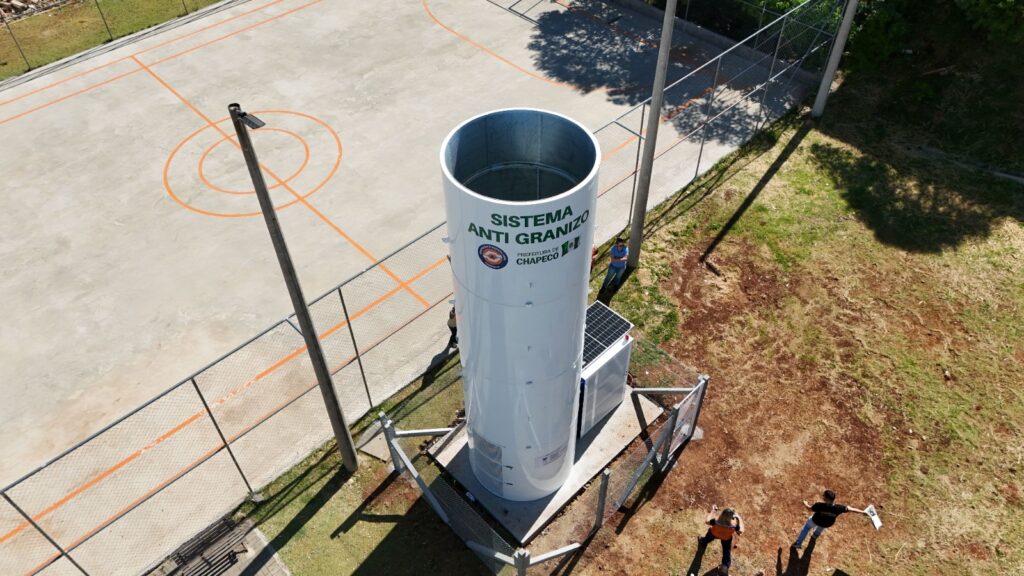
Photograph: Prefeitura de Chapecó
The Chapecó Case: The First Documented Urban Precedent
The city of Chapecó became, in 2026, the first in Latin America to activate a hail protection system to safeguard an urban area.
According to the local government:
“The objective is to minimize material damage and risks to the physical integrity of residents.”
Official source: Prefeitura de Chapecó
The system was activated preventively following the detection of storm cells with hail risk.
This was also confirmed by regional media such as NSC Total and specialized outlets like Oeste Mais.
This precedent confirms something key: agricultural technology is adaptable to urban environments.
The Same Technology That Protects Crops Can Also Protect Cities
No different “urban hail system” has been developed.
The physical principle is exactly the same as in agriculture:
- Controlled generation of shock waves
- Interaction with forming ice crystals
- Reduction in hailstone size and energy
- Weakening of hail through micro-fragmentation
The difference in urban environments lies in integration.
In the Chapecó case, the system includes an additional soundproofing component that reduces acoustic impact by up to 30 dB, allowing compliance with urban noise regulations.
This demonstrates that hail protection can be integrated into urban planning under rigorous technical assessment.
A New Global Scenario in Hail Protection
The increase in severe storms is generating:
- Millions in urban damage every year
- Rising insurance premiums
- Overloaded public services
- Increased vulnerability of assets
Cities are beginning to seek preventive solutions.
Mitigating hail impact in urban environments is no longer a hypothesis—it is becoming a real possibility.
Hail Damage Can Be Anticipated: Prevention Is Key
Local administrations are increasingly facing:
- High post-storm repair costs
- Massive vehicle damage
- Risks to public infrastructure
- Pressure from insurance systems
Urban hail damage prevention can be integrated into:
- Climate resilience plans
- Climate adaptation strategies
- Urban asset protection frameworks
Municipalities Are Already Integrating SPAG Technology
A city that adopts preventive protection:
- Reduces economic impact
- Enhances perceived safety
- Strengthens climate leadership
- Improves post-event financial stability
Hail protection innovation is no longer limited to agriculture.
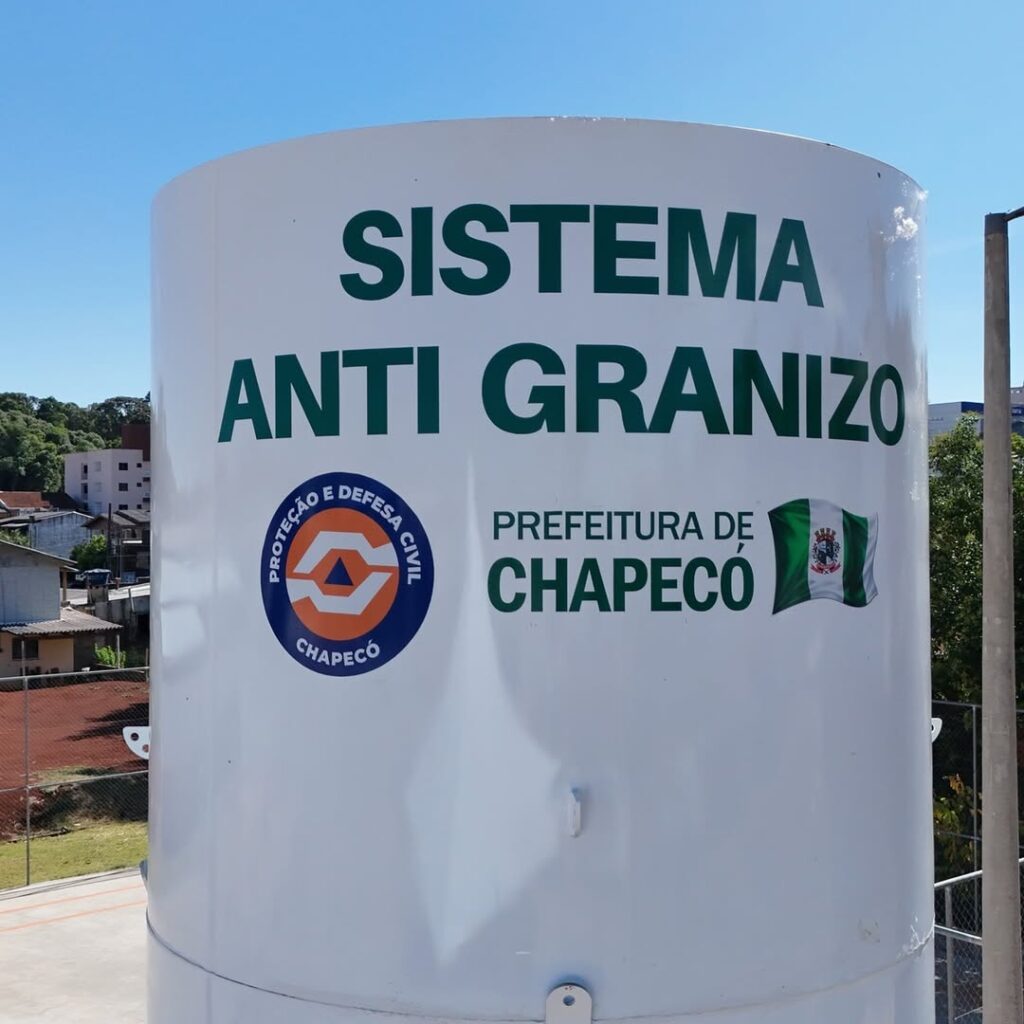
Chapecó: A Leader in Hail Protection Innovation
The Chapecó case sets a precedent.
But its true impact will be global.
The cities of the future will not react to hail.
They will anticipate it.
SPAG leads this conversation through technical expertise and adaptive innovation.